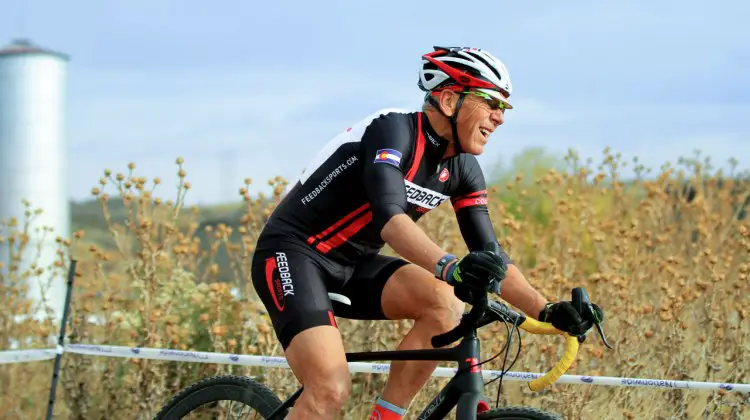
Lee Waldman: On Hiring a Coach and Five Keys to Being Open to Self-Improvement
Lee Waldman has tried self-coaching and working with a coach. He offers some advice for self-improvement learned from his career as a trainer of teachers.

cyclocross training and skills


Lee Waldman has tried self-coaching and working with a coach. He offers some advice for self-improvement learned from his career as a trainer of teachers.

Knowing how much to eat on race day can be tricky, especially if you race late. Coach Chris Mayhew offers advice on how to fuel your cyclocross race days.
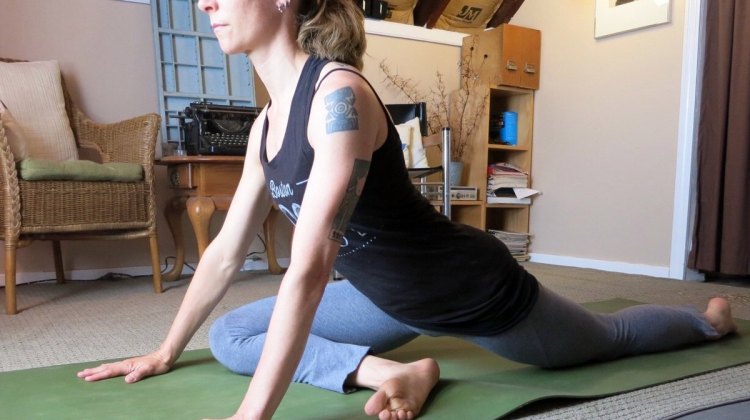
Coach Chris Mayhew of JBV Coaching has got your back. Mayhew is quite familiar with back issues that plague cyclocross racers, and stresses prevention for racers not familiar with such pain.

Bicycles Inc. of Fort Worth, TX is hosting its third-annual CycloX Cirque free clinic on Tuesday, September 25. We have all the details.
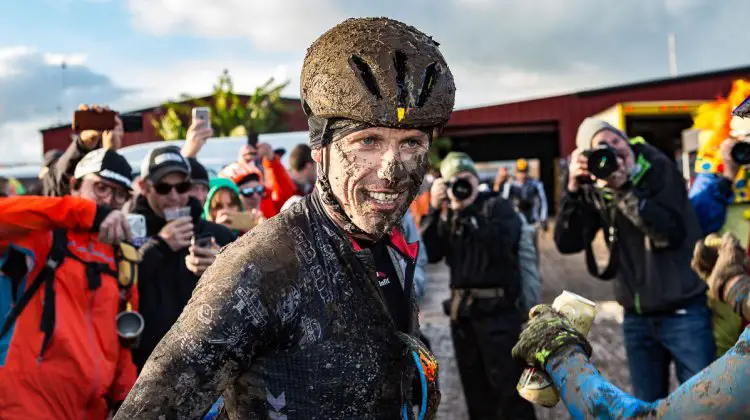
Sven Nys toed the line in the Chicago Cross Cup Cat 4/5 race and gave fans an afternoon to remember when he rode a flight of stairs. The video is a must-see.
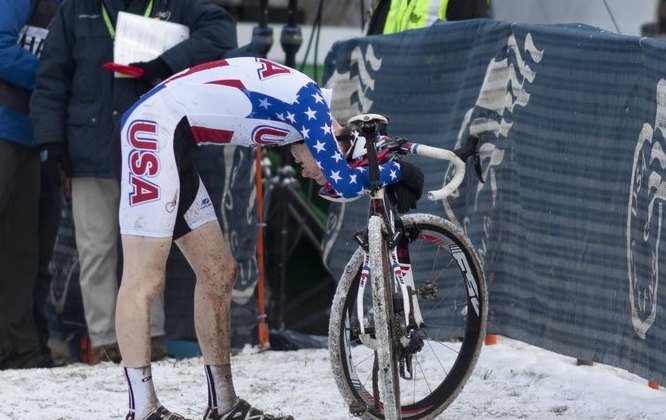
Overtraining is something that can take the fun and performance out of bike racing. The author describes his personal experience of a year of overtraining.

Can a smart watch really help you train smarter, get fit or lose weight? For Training Tuesday, we evaluate whether the Fitbit Surge is worth the splurge.

Helen Wyman, Jonathan Page and Tim Johnson will be hosting a free ‘cross clinic on Saturday, September 16 at Jingle Cross. More info in this release.

Boulder Cycle Sport is joining with Amanda Miller and Kristin Weber to host a free women’s cyclocross clinic on September 6. Read for more info.

Thursday Night Cross (TNX) offers free skills clinics in Chico, CA Thursday nights during the cyclocross season. Rides start at Greenline at 6:16 p.m.

Nutritionist Kristen Arnold joins this week’s Training Tuesday to provide advice on proper nutrition for the demands of racing cyclocross.
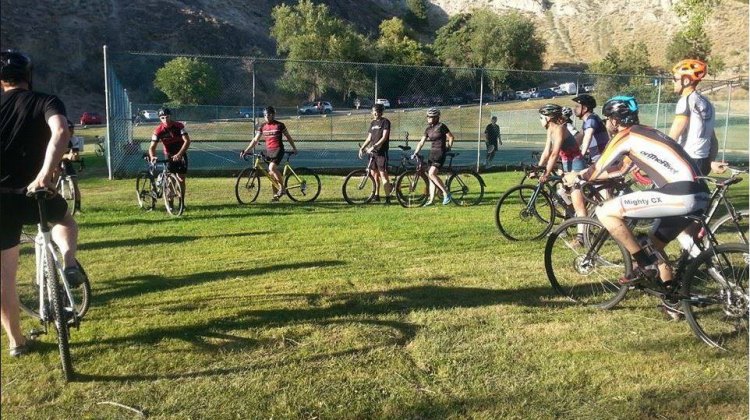
A free cyclocross clinic is being hosted by ChainLine Cycle on Monday, August 28, in Kelowna, British Columbia. Read for all the details.
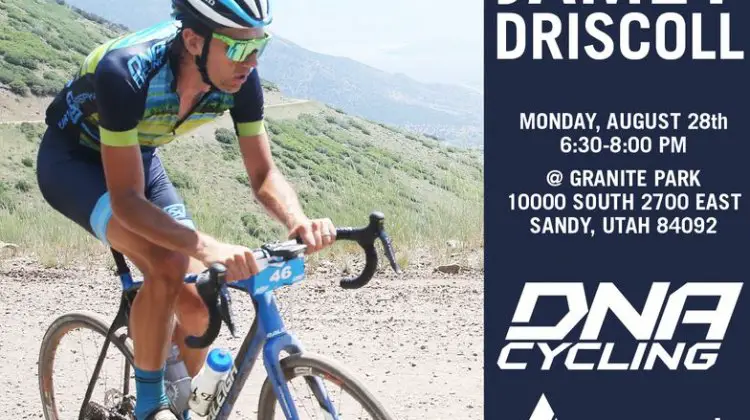
DNA Cycling and Jamey Driscoll are teaming up to host a free ‘cross clinic in Sandy, Utah on Monday, August 28. We have details about the clinic.
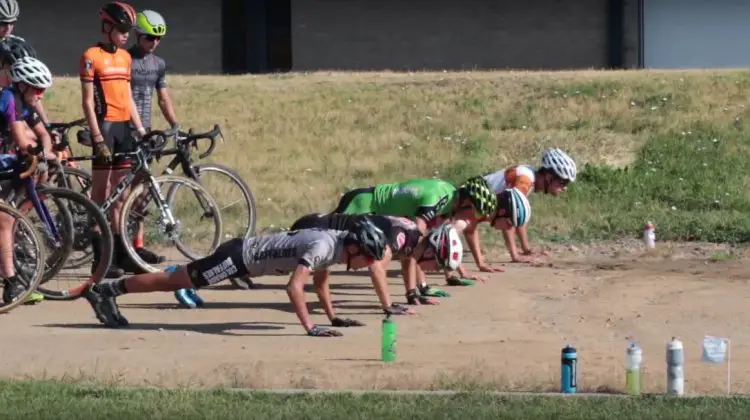
Earlier, we highlighted the rigorous off-the-bike morning routine that Montana Cross Camp attendees faced. Today we bring you along for some on-the-bike drills.
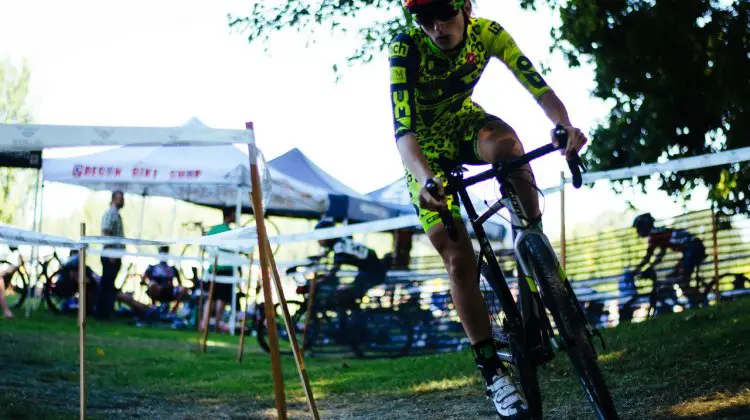
PDX Devo of Portland, OR is hosting free Junior ‘cross clinics Wednesday, August 23 and 30 at Alpenrose Dairy. Read for more info.
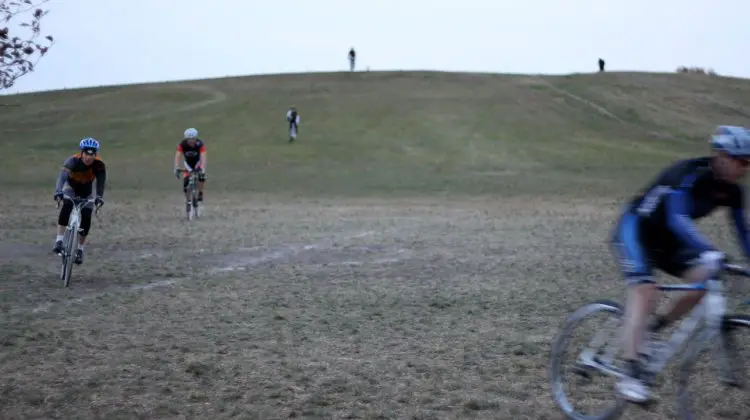
xXx Racing of Chicago is providing free ‘cross clinics on Wednesday nights at Cricket Hill in Chicago this season. Read for more information.
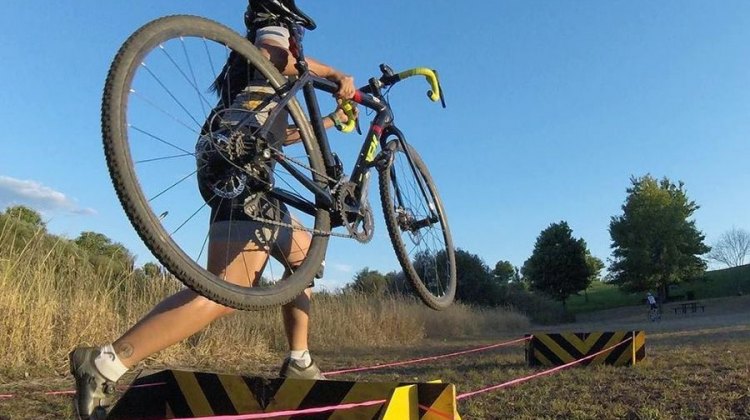
Boston-based Team Monster Truck will be offering free ‘cross clinics this fall on Wednesday nights in Cambridge this fall. Read for more info.
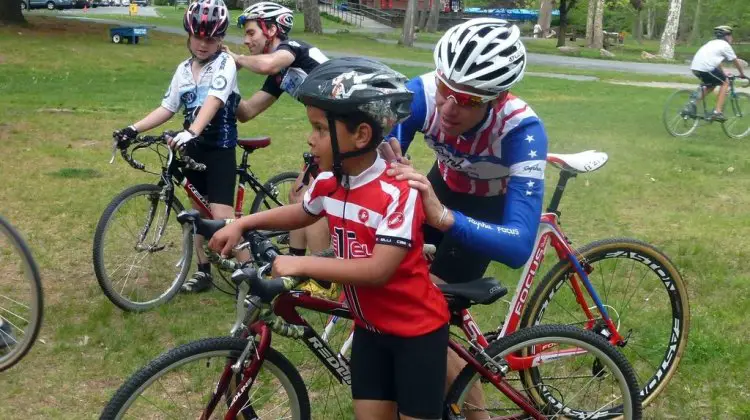
Free cyclocross clinics are a great chance for riders to learn or brush up on ‘cross skills. CXM is offering free publicity for free clinics this season. Let’s grow the sport together.
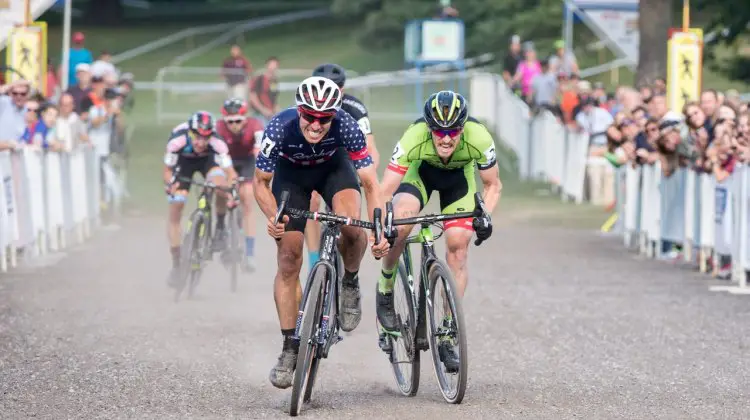
Early season ‘cross races can be hot and fast. Preparing for how these races play out can give you an edge if you know what to expect from the race.
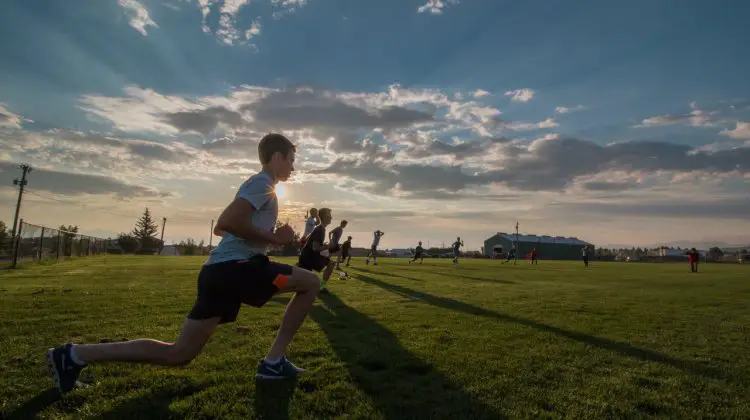
Each summer Geoff Proctor brings top youth cyclocross talent to Big Sky Country for Montana Cross Camp. We take a look at the camp’s morning workout routine in photos and video.
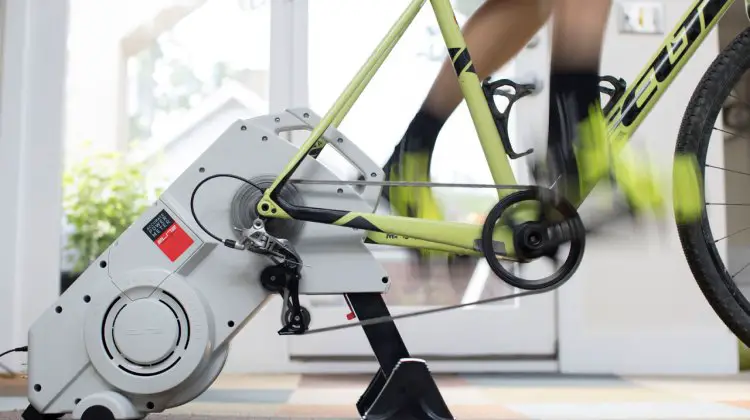
The Elite Drivo is a new direct drive smart trainer compatible with popular training apps. We found a quiet, easy to use trainer ready for winter riding.
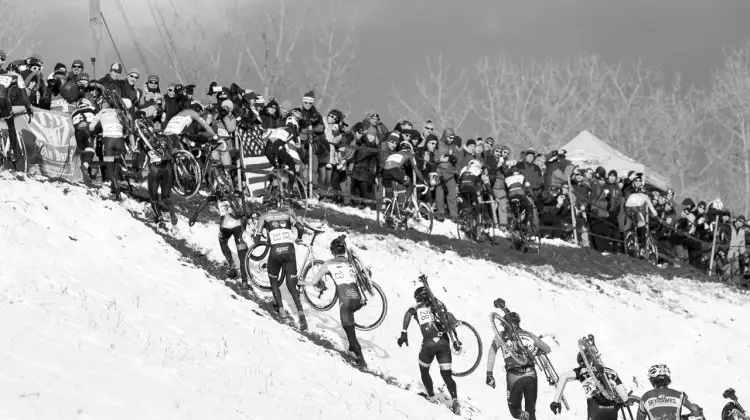
Cyclocross requires a specific type of running. In this training Tuesday, Coach Mayhew discusses incorporating running into your prep for ‘cross season.
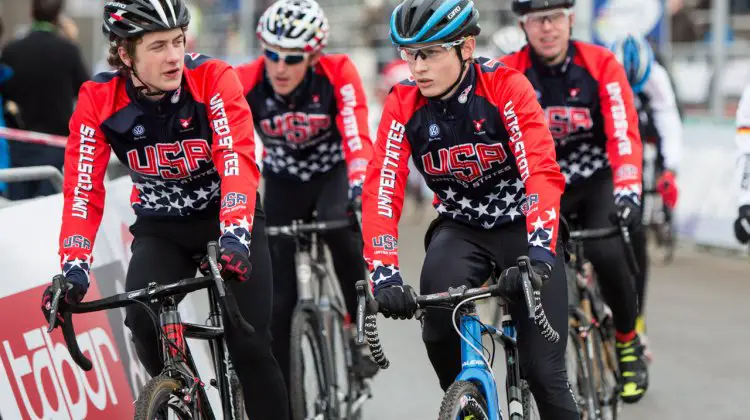
A good race day routine to ensure success, but as Coach Mayhew discusses, it is important to be flexible to deal with the unknowns of race day.
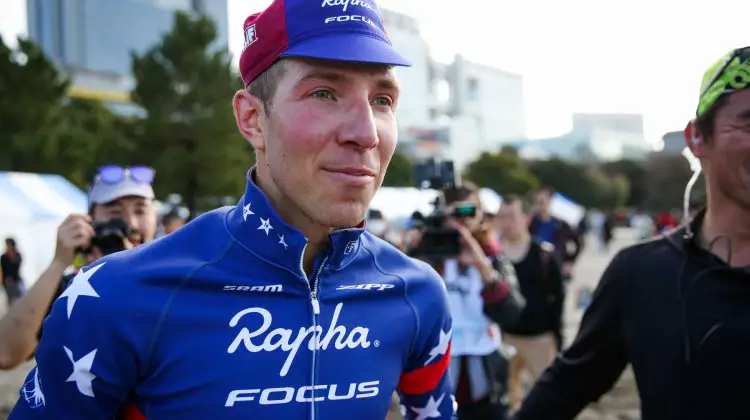
Space is still available for a Q&A and ‘cross clinic with Jeremy Powers in the Philadelphia area this weekend. Read on for info about registering to attend.
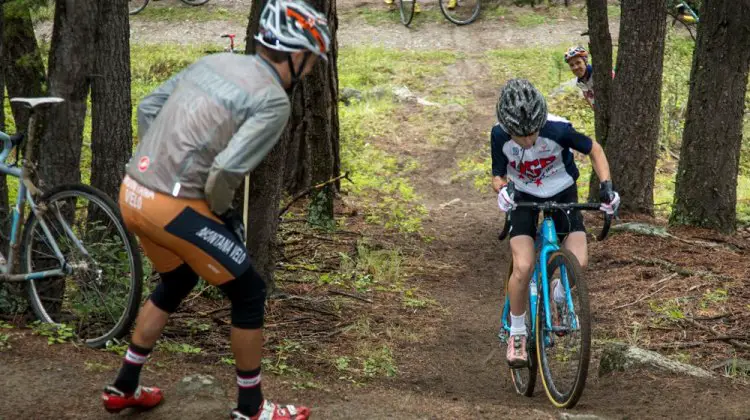
For this week’s Training Tuesday we’re talking with coach Chris Mayhew about what might be your first step in training; hiring a coach.

So you’re starting to think about ‘cross racing again and ready to work? Coach Mayhew gets you ready with the staple of cyclocross training: threshold workouts.
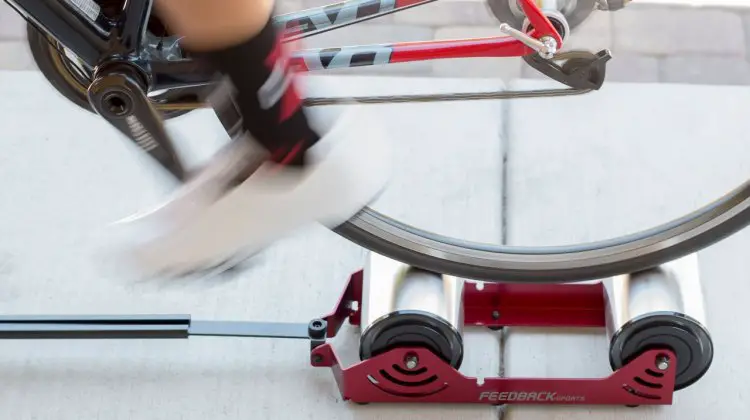
Ready to upgrade your performance? There are lots of upgrades competing for your hard-earned cash. Coach Chris Mayhew weighs in on how best to spend your money.
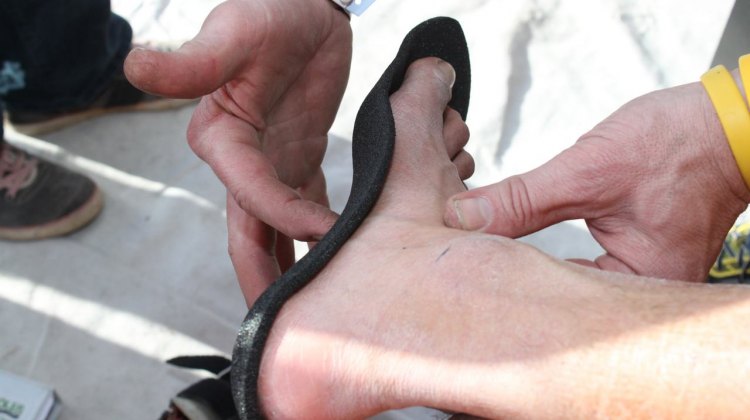
Struggling to complete an interval session? Got a few nagging pains on the bike? Dealing with low energy levels? Coach Chris Mayhew with JBV Coaching is here to help …

Targeting a long gravel race or ride, but short on training time? For Training Tuesday we hit up 3 top coaches for their advice on how best to maximize limited training hours to get you flying to the finish.
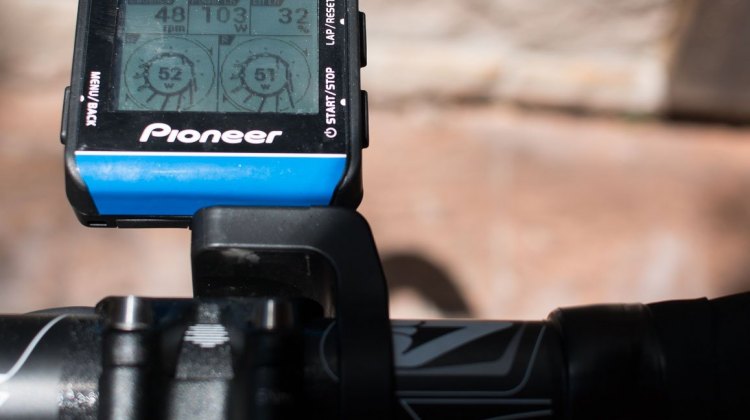
Power meters & public athlete data make it easy for bike racers to set targets for both power & weight. Is this the right approach? Coach Mayhew weighs in.